February marks the tail end of South Florida’s dry season, making it the ideal time to inspect your home for potential problems before the wet season returns in May. After nearly two decades of restoration work in Palm Beach and Broward counties, we’ve learned that the issues homeowners discover in June or July usually existed in February. They just hadn’t caused visible damage yet. A slow roof leak, a compromised window seal, or deteriorating caulking around doors might go unnoticed during dry months, but once daily afternoon thunderstorms arrive, these small problems become expensive water damage.
The good news is you have a window of opportunity right now. Florida’s dry season, which runs from November through April, gives homeowners clear weather to climb ladders safely, inspect roofs thoroughly, and make repairs without rain interrupting the work. Here’s what to check before South Florida’s rainy season begins.
Why February Is Your Best Opportunity for Home Inspections
Dry weather makes thorough inspections possible. You can’t properly evaluate your roof’s condition during a thunderstorm, and contractors won’t apply sealants or caulking when rain threatens. February’s typically clear skies give you both the ability to inspect carefully and the time to schedule repairs before contractors get swamped with emergency calls.
Repair materials need dry conditions to cure properly. Roof sealants, caulking, and exterior paint require moisture-free surfaces and several hours of dry weather to set correctly. Apply these materials during the rainy season and you’re essentially wasting money on repairs that won’t hold.
Small problems become expensive damage once rain starts. A minor roof leak that drips occasionally during February’s rare rain becomes a steady flow during May’s daily downpours. That small gap in your window caulking that let in a bit of wind now channels water into your walls, creating hidden mold growth that costs thousands to remediate.
Your Pre-Rainy Season Roof Inspection
Start from the ground with binoculars if climbing isn’t safe. Look for missing, cracked, or curled shingles, particularly on south and west-facing slopes that take the most sun damage. Check for lifted shingle edges that wind can catch during storms. Inspect all roof penetrations (vents, pipes, chimneys, and skylights) for cracked sealing or gaps where water could enter.
Walk around your home’s perimeter examining the fascia, soffit, and roof edge. Water stains, peeling paint, or wood rot in these areas indicate roof drainage problems that need correction before rainy season. Check that all gutters attach securely to the fascia without sagging sections where water could overflow.
For flat or low-slope roofs common in South Florida, standing water is your enemy. After the next rain, check whether water drains completely within 48 hours. Persistent puddles indicate drainage problems that will worsen during rainy season’s heavy downpours, necessitating later water damage restoration.
If you have a tile roof, inspect for cracked, broken, or displaced tiles. South Florida’s summer storms generate enough wind to shift tiles that look fine from the ground. Check the underlayment at tile edges; if you can see deteriorating tar paper beneath tiles, water intrusion is likely during heavy rain.
Window and Door Inspections That Prevent Water Intrusion
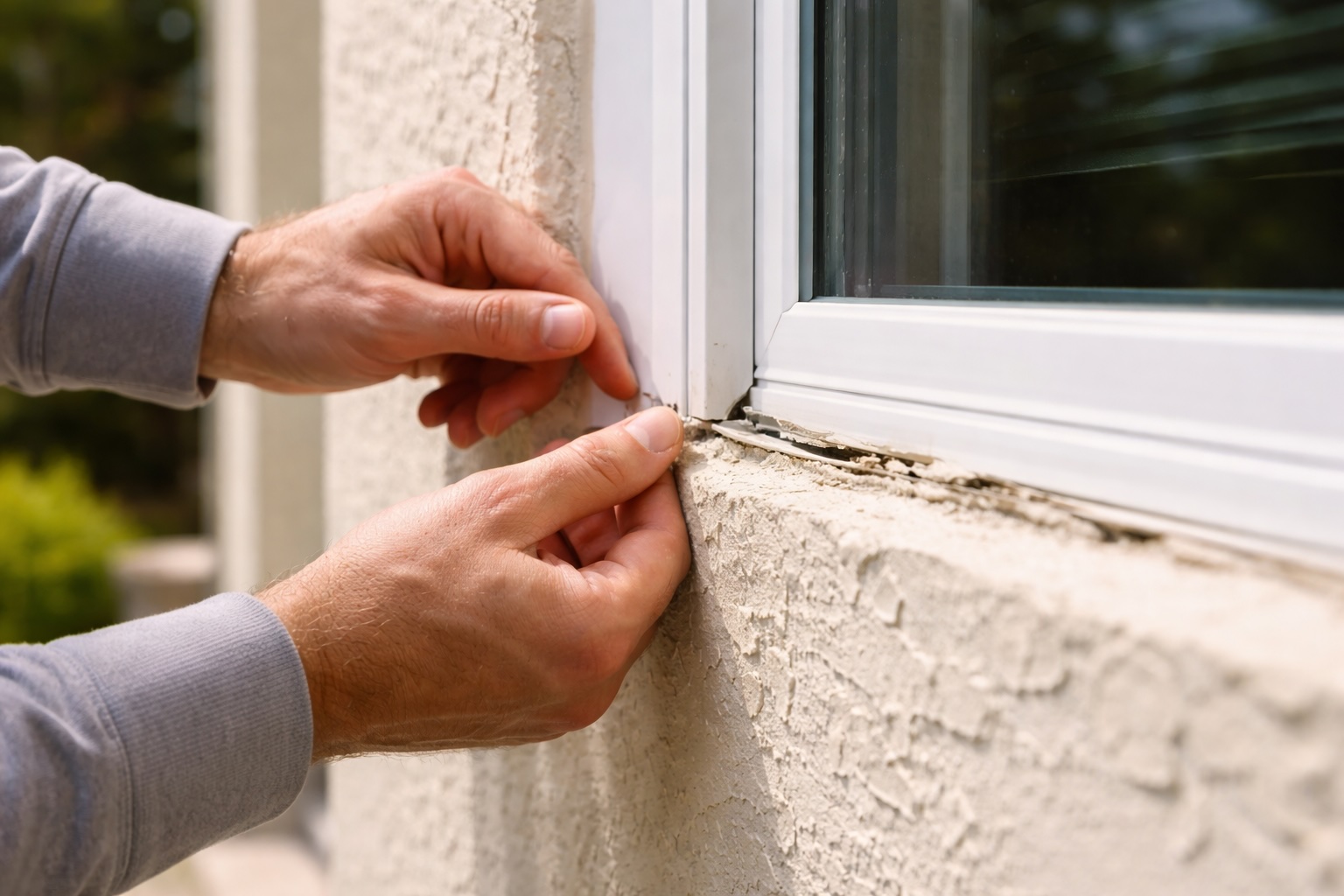
Test every window in your home by running your hand along the interior frame during a windy day. Feel air movement? That gap will channel water inside during wind-driven rain. Check exterior caulking around all window frames for cracks, gaps, or areas where caulk has pulled away from the wall or frame.
Sliding glass doors are notorious water entry points in South Florida homes. Inspect the bottom track for debris that prevents proper closing and check the weatherstripping for compression or deterioration. Water that makes it past compromised weatherstripping flows directly onto flooring, causing damage that often goes unnoticed until you discover mold growth months later.
French doors and entry doors need attention to their weatherstripping and threshold seals. Close each door and look for light gaps around the perimeter – light means air flow, and air flow during rainy season means water intrusion. Check door sweeps at the bottom for wear; these inexpensive components prevent thousands of dollars in water damage.
Plumbing System Checks Before Summer Stress
Water supply lines that survived winter will face different stress during rainy season when foundation settling and increased water table pressure can shift underground pipes. Walk your property looking for unexplained wet spots, unusually green grass patches, or areas where ground feels spongy, as these indicate possible underground leaks.
Inspect all visible plumbing under sinks, behind toilets, and around water heaters. Look for corrosion on connections, mineral deposits indicating slow leaks, and flex lines showing age-related deterioration. The braided stainless steel supply lines feeding your toilets, sinks, and washing machine typically last 5-7 years, so check installation dates and replace preventively.
Test your main water shutoff valve now, before you need it in an emergency. Many South Florida homes have shutoff valves that haven’t been touched in years. Turn it clockwise to close, then counterclockwise to reopen, confirming smooth operation.
Inspect your water heater for rust stains on top (indicating a failing pressure relief valve), moisture around the base (suggesting tank deterioration), or unusual noises during heating cycles. Water heaters typically last 8-12 years in South Florida’s hard water conditions.
Air Conditioning System Preparation
Your AC will work harder during rainy season’s combination of heat and humidity. Schedule professional service now, before temperatures climb and HVAC companies get overwhelmed with emergency calls. According to Energy Department guidelines on HVAC maintenance, technicians should check refrigerant levels, clean coils, test electrical components, and verify proper condensate drainage.
Condensate line clogs cause more water damage in South Florida homes than most people realize. When drain lines back up, water overflows into air handlers, ceilings, and walls. Pour a cup of bleach down your condensate drain line monthly to prevent algae growth that causes clogs.
Change your AC filter before rainy season starts. Dirty filters restrict airflow, forcing your system to work harder and potentially freeze up during the high-demand summer months. This creates condensation problems and can lead to compressor failure, an expensive repair during the hottest part of the year.
Exterior Grading and Drainage System Evaluation
Walk your property during or immediately after the next rain to observe how water flows. Water should drain away from your foundation in all directions. Low spots where water pools against your house create persistent moisture problems that worsen dramatically during rainy season’s daily downpours.
Clean all gutters and downspouts now, before spring pollen and summer storms fill them with debris. Clogged gutters overflow during heavy rain, directing thousands of gallons of water against your foundation. Verify downspouts discharge at least 6 feet from your foundation.
Check the caulking and sealing around all exterior penetrations, including hose bibs, electrical outlets, cable entries, and air conditioning line sets. These often-overlooked entry points channel water into walls during wind-driven rain. A $5 tube of exterior caulk applied now prevents hundreds or thousands in water damage repair later.
Signs of Existing Water Damage to Address Now
Before rainy season amplifies hidden problems, check your home’s interior for water damage indicators. Ceiling stains, even old ones that haven’t grown, suggest roof leaks that will worsen with summer storms. Musty odors in closets, bathrooms, or specific rooms indicate moisture problems needing investigation.
Inspect attic spaces for water stains on the underside of roof decking, deteriorated insulation, or daylight visible through the roof. Pay special attention to areas around roof penetrations and in valleys where two roof planes meet; these are the most common leak locations.
Check walls around windows and doors for paint bubbling, wallpaper peeling, or soft drywall. These signs indicate water intrusion that might seem minor now but will accelerate dramatically once rainy season brings daily moisture exposure.
When to Call Professionals for Pre-Season Inspections
Some inspections require professional expertise and equipment. If your roof is more than 15 years old, steep, or difficult to access safely, hire a roofing contractor for a comprehensive inspection. They’ll identify problems you can’t see from the ground and provide repair estimates while materials and labor are readily available.
HVAC professionals have tools to measure refrigerant levels, test electrical components, and identify efficiency problems that homeowners can’t detect. Annual pre-season service typically costs $100-150 but prevents expensive emergency repairs during peak summer heat.
If you discover active leaks, visible mold growth, or significant deterioration during your inspection, don’t wait for the problem to worsen. Water damage costs increase exponentially when problems go unaddressed. What starts as a $500 roof repair in February becomes a $5,000 ceiling replacement and mold remediation in July.
Frequently Asked Questions
Q: How early should I start preparing for Florida’s rainy season? February through April is ideal for inspections and repairs. This gives you time to identify problems, schedule contractors while they have availability, and complete repairs before the May-October wet season begins.
Q: What’s the most commonly overlooked item in pre-rainy season inspections? Caulking and sealing around exterior penetrations. Homeowners focus on roofs and gutters but ignore the dozens of small entry points where water infiltrates during wind-driven rain.
Q: Can I do these inspections myself or should I hire professionals? Most visual inspections are DIY-friendly if you’re comfortable on ladders and know what to look for. However, roof inspections on steep or high homes, HVAC system checks, and investigation of suspected problems benefit from professional expertise.
Q: What if I find problems but can’t afford all repairs before rainy season? Prioritize based on water intrusion risk. Active roof leaks, compromised window sealing, and drainage problems should be addressed first. Cosmetic issues and minor maintenance items can wait.
Q: How do I know if existing water stains indicate active leaks? Active leaks typically show darker, wet-looking stains or stains that grow after rain. Old, stable stains remain the same size and color over time. However, any ceiling stain warrants investigation. What was minor last year might become severe this rainy season.
Protect Your South Florida Home Before Rainy Season
The weeks before rainy season offer your best opportunity to identify and correct problems while weather cooperates and contractors have availability. A systematic inspection now prevents the expensive water damage, mold growth, and emergency repairs that flood our phones every summer.
Our 18+ years of restoration experience in South Florida have taught us that proactive homeowners who address problems in February rarely call us with emergencies in July. Those who wait often face damage that costs 10 times more to repair than the original problem would have cost to prevent.
Need help preparing your home for rainy season? Call J&R Restoration at (561) 674-2332 for professional inspections, moisture testing, or repairs that protect your South Florida property. We serve Palm Beach and Broward counties with the expertise to identify problems before they become disasters.