TL;DR: After a hurricane, call a restoration company immediately for active water intrusion, roof breaches, and safety hazards, and wait for the adjuster only on stable, cosmetic damage that is not spreading.
Hurricane aftermath forces a decision that trips up a lot of South Florida homeowners: do you call a restoration company the moment the wind dies down, or do you wait for the insurance adjuster to see everything first? The short answer is that the two are not in competition, and treating this as an either-or is where people get into trouble. You bring in restoration right away when damage is active or dangerous, and you hold off only when the damage is stable and purely cosmetic. Most Florida policies actually require you to prevent further damage while you wait, so letting a wet house sit to “preserve the scene” tends to work against your claim rather than for it.
The two clocks running after a hurricane
Once a storm passes, two timers start at the same moment. The first is the damage clock. Standing water, a punctured roof, or a blown-out window lets moisture keep moving through drywall, insulation, framing, and flooring. In our climate, mold can begin colonizing wet materials within 24 to 48 hours, so every hour of delay quietly expands the eventual repair.
The second is the claims clock. Your insurer wants documentation, and the adjuster may take days or even weeks to arrive, especially after a widespread event when thousands of Palm Beach County homes file at once. If you wait for that visit before lifting a finger, the damage clock keeps running the entire time. The good news is that you can protect your home and protect your claim at the same time, as long as you document carefully as you go.
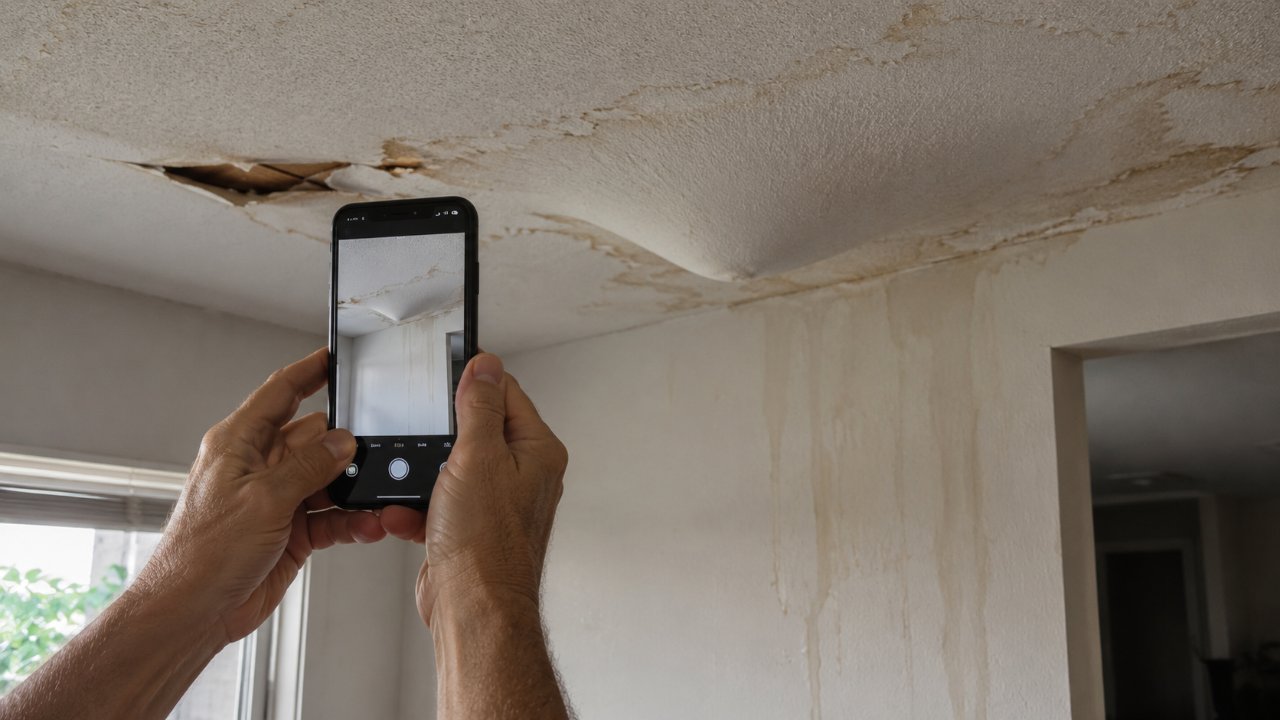
That documentation is what makes early action safe. Photograph and video everything before you move it, note the date and time, and keep a running list of what got wet. Once you have that record, there is no reason to leave standing water in place. Fast water removal is one of the highest-value moves you can make in the first day, because it shrinks the mold window and preserves materials that would otherwise be a total loss.
What to do in the first 24 hours
Safety comes before everything, then mitigation, then documentation of the finer details. Do not re-enter a structurally questionable building, and stay well clear of downed power lines and standing water that could be electrically charged. According to FEMA’s Ready.gov guidance for after a hurricane, you should pay attention to local officials before returning, be careful during cleanup, and document any property damage with photographs before contacting your insurer. That sequence matters: officials clear the area, you protect yourself, then you record the damage.
Once you are safely inside, the priority shifts to stopping the water. Cover roof openings, get standing water out, open the building up so it can start drying, and move salvageable belongings to a dry area. Avoid making permanent repairs at this stage. Temporary, protective steps are what your policy expects; rebuilding a wall before anyone has documented it can complicate the claim.
When to call a restoration company right away
Call without waiting when the damage is active, hidden, or hazardous. Active means water is still present or still spreading: soaked carpet, saturated drywall, water wicking up baseboards, or a ceiling holding a pocket of rainwater. Hidden means moisture behind walls or under flooring that you cannot dry with fans and towels. Hazardous covers anything involving sewage, floodwater that carried contaminants, compromised structure, or electrical systems that got wet.
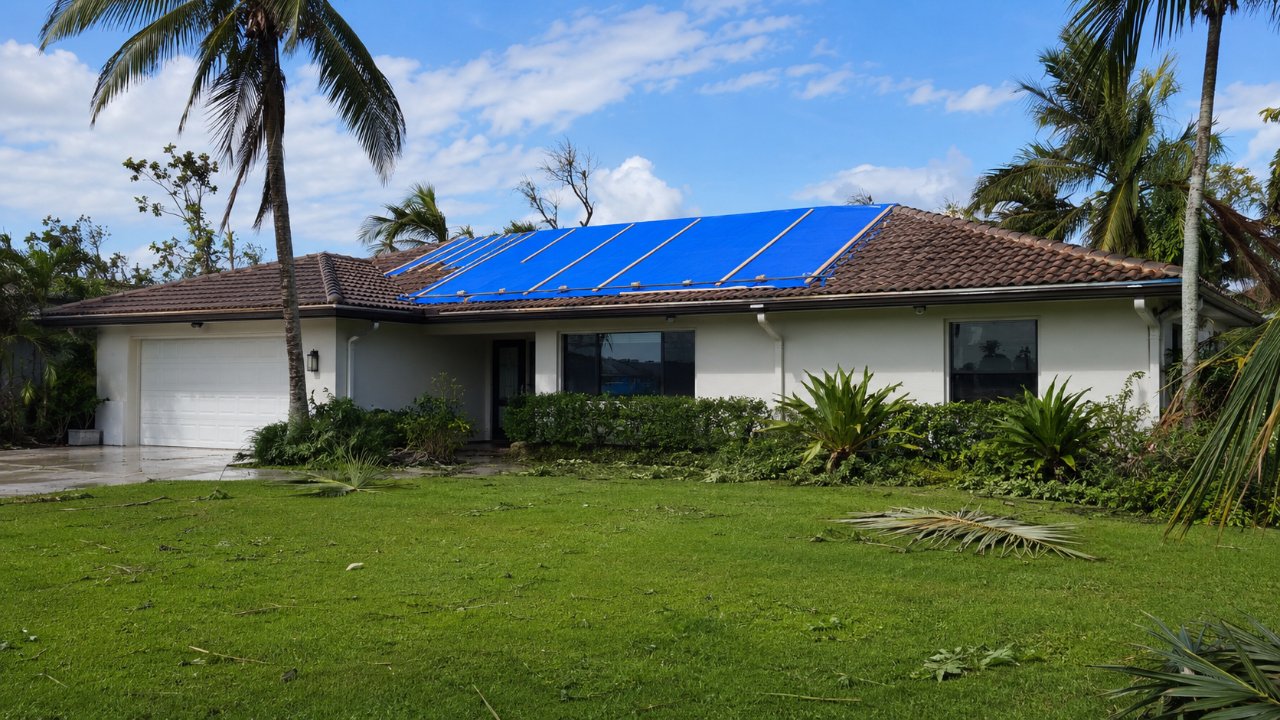
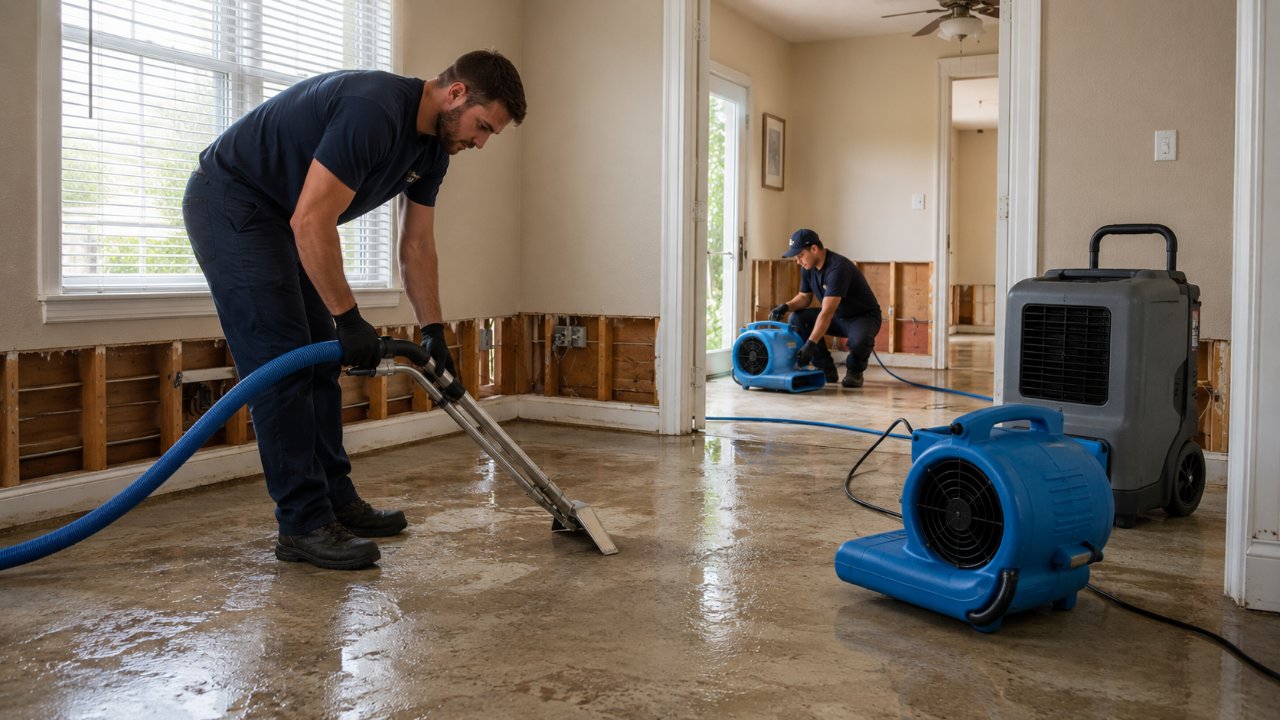
A roof breach belongs at the top of that list in South Florida. Wind-driven rain finds every gap a storm opens, and an exposed roof deck keeps letting water in with each afternoon downpour long after the hurricane itself has moved on. Getting emergency roof tarping in place quickly is often the single step that stops a contained problem from becoming a whole-house one. Professional crews also carry moisture meters and commercial dehumidifiers, so they can find and dry water you would never reach on your own.
When it makes sense to wait for the adjuster
Waiting is reasonable only when the damage is stable and cosmetic. A cracked screen enclosure, a few missing shingles on an otherwise sound roof, a dented gutter, or a stained ceiling that is already dry and not growing are the kinds of things that will look the same next week as they do today. If leaving it alone does not risk more damage, and you can photograph it thoroughly, there is little downside to letting the adjuster see it first.
Even then, keep documenting. Weather in Palm Beach County can turn a stable problem into an active one overnight, and a stalled tropical wave can dump rain on an already-compromised roof days later. If anything starts to spread, the calculus flips immediately and mitigation becomes the priority again.
How your policy’s duty to mitigate changes the math
Most Florida homeowners policies include what is often called a duty to mitigate, meaning you are expected to take reasonable steps to prevent further damage after a covered loss. In practice, that usually makes emergency mitigation the insurer’s expectation rather than a violation of the claims process. Reasonable temporary measures like tarping and water extraction are frequently reimbursable, and the cost of ignoring the duty can show up later as a reduced payout if the insurer argues that delay caused avoidable damage.
A few habits protect you here. Keep every receipt for tarps, fans, and emergency services. Photograph the damage before and after each mitigation step. Hold off on permanent reconstruction until the loss is documented. And read your specific policy language or ask your agent, because coverage terms vary and no contractor can promise how a given carrier will handle a claim. J&R can document mitigation in the format adjusters expect, but the coverage decision always rests with your insurer.
Sequencing it right: a practical order of operations
Put together, the order that serves most Palm Beach County homeowners looks like this. Confirm the building and area are safe to enter. Open a claim with your insurer so the file exists and the adjuster is scheduled. Photograph and video all damage before touching anything. Bring in a restoration crew for emergency mitigation, including tarping, water extraction, and structural drying. Save damaged materials and receipts for the adjuster. Let the adjuster inspect the documented, stabilized property. Only then move into permanent repairs and reconstruction.
Handled in that order, you satisfy the damage clock and the claims clock at once. The house stops getting worse, and your claim rests on a clean, dated record rather than on a scene you were afraid to touch.
What this looks like across a South Florida storm season
Atlantic hurricane season runs from June 1 through November 30, and the busiest stretch for Palm Beach County tends to land in the late-summer and early-fall weeks. That timing matters for a practical reason: after a widespread storm, every roofer, plumber, and restoration crew in the region is booked at once. Homeowners who wait to see what the adjuster says before calling anyone often find themselves at the back of a very long line, watching a small leak turn into a mold problem while they wait.
This is where a 24/7 response makes a real difference. A family-owned crew that answers the phone at 2 a.m. and gets a tarp on your roof before the next rain band arrives is protecting far more than that one opening. If your home took damage and you are not sure what needs immediate attention, get help now and let a technician walk the property with you before the next system rolls through.
Frequently Asked Questions
Should I call a restoration company before or after the insurance adjuster?
Call restoration first for anything active or dangerous, such as standing water, a roof breach, or sewage. Document everything with photos before mitigation, then let the adjuster inspect the stabilized property. Waiting for the adjuster before stopping active damage usually works against you, because most policies expect you to prevent further loss.
Will starting cleanup hurt my insurance claim?
Not if you document first. Photograph and video the damage, keep receipts for tarps and emergency services, and hold off on permanent repairs until the adjuster has inspected. Emergency mitigation is generally what your policy expects, not a problem for your claim. Coverage decisions still rest with your insurer, so review your policy or ask your agent about specifics.
How quickly does water damage turn into mold in South Florida?
Mold can begin growing on wet materials within 24 to 48 hours, and our warm, humid climate accelerates it. That short window is the main reason to extract standing water and start drying immediately rather than waiting days for an adjuster visit.
What counts as emergency damage versus something that can wait?
Emergency damage is active or hazardous: water still spreading, a compromised roof, floodwater contamination, or wet electrical systems. Stable cosmetic damage, like a dented gutter or a dry stained ceiling that is not growing, can usually wait for the adjuster as long as you photograph it and it does not risk getting worse.
Is emergency roof tarping covered by insurance?
Temporary protective measures such as tarping are frequently reimbursable under Florida homeowners policies because they prevent further damage, but terms vary by carrier and policy. Keep receipts and before-and-after photos, and confirm specifics with your insurer. No contractor can guarantee how a particular claim will be handled.
What should I do if I cannot reach my insurance company right after the storm?
Do not let an unreachable insurer stall your mitigation. Phone systems are often overwhelmed after a hurricane. Document the damage thoroughly, take protective steps to stop further loss, keep all receipts, and reach the carrier as soon as lines are open. Your duty to mitigate does not pause while you wait on hold.