TL;DR: The first 72 hours after water damage in a Palm Beach multifamily building decide whether the project stays a routine mitigation or escalates into displaced tenants, habitability disputes, and a six-figure remediation.
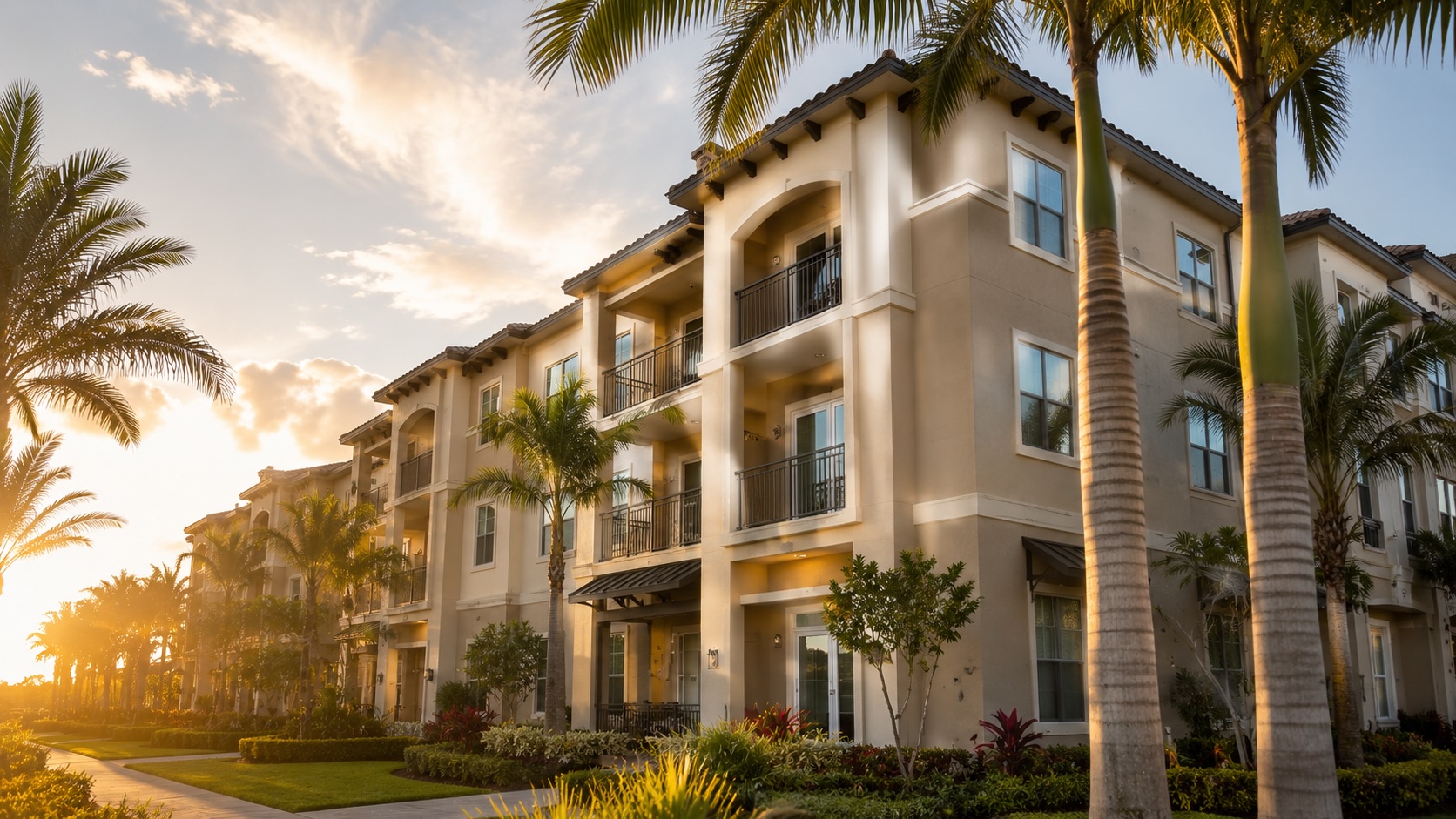
Property managers in Palm Beach County face a different restoration calculation than homeowners do. A water event in a multifamily building, a condominium complex, or a managed residential portfolio is not just a building problem. It is a tenant communication problem, a habitability problem, a master policy and unit-owner policy intersection, a vendor coordination problem, and a liability exposure problem, all running at the same time and all measured in hours. The decisions a manager makes in the first seventy-two hours after a water loss largely determine whether the situation resolves cleanly or escalates into displaced tenants, fee abatements, insurance disputes, and reputational damage that lingers across the rest of the lease year. This playbook walks through the specific decisions that matter most and the order in which they should happen.
Hour Zero to Six: Stop the Source, Document Everything
The first six hours are about containment and evidence preservation. The water source has to be shut off (supply valve, fire system isolation, riser shutoff, whichever applies), the affected units have to be entered, and the extent of the loss has to be photographed before anyone starts moving furniture or cleaning. The photographic record taken in the first hour is the single most valuable asset in the eventual insurance claim and any tenant dispute that follows.
Document the source, the path of the water (which unit it originated in, which units below were affected, which common areas), the visible damage to building elements, the visible damage to tenant property, and the time stamps on everything. Note whether smoke or fire suppression systems were involved (sprinkler discharge water is treated differently from supply line water). Identify whether any of the water came from a sewer line or wastewater source, which immediately changes the project’s hazard category and the protocols that apply.
Notify the master insurance carrier within the carrier’s required window and open a claim number. Notify the affected unit owners or tenants in writing, even if the conversation happens by phone first. The written notification protects the manager from later disputes about timing and content. Confirm that the building’s restoration vendor is mobilizing and provide them with unit access, building access codes, and a designated on-site contact.
Hour Six to Twenty-Four: Categorize the Water, Stabilize the Building
Within the first day, the restoration vendor performs the formal water-category assessment that drives the entire project scope. Category 1 water (clean supply line water that did not contact contaminated materials) allows the simplest protocols. Category 2 (used water from washing machines, dishwashers, or stagnated clean water) requires more careful handling. Category 3 (sewage, ground water, or any contact with biohazards) triggers regulated containment and disposal requirements. The category determination is a clinical decision by a certified technician, not an opinion the manager makes. Category 3 water in particular often escalates into mold remediation even after the standing water is fully removed.
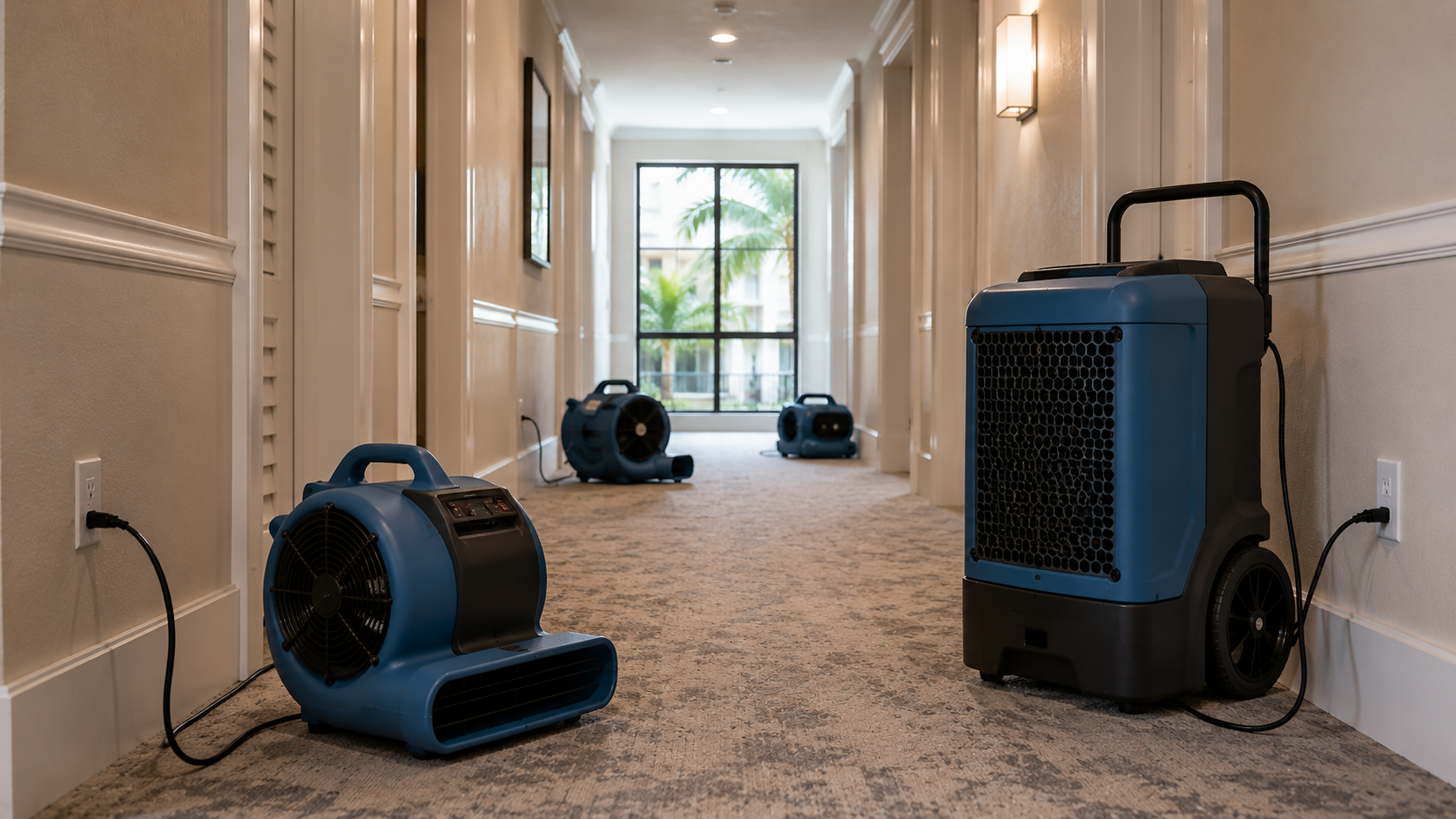
The same window is when the vendor sets up containment, deploys air movers and dehumidifiers, and establishes the moisture-monitoring baseline that will be tracked through the dry-out. Power requirements for the drying equipment may exceed what a single unit’s electrical service can handle. The vendor and the manager need to coordinate on temporary power if the affected area is large. Building elevators, HVAC zones, and common-area access need to be coordinated so that the drying work does not inconvenience unaffected tenants beyond what is strictly necessary.
Tenant communications matter enormously in this window. Affected tenants need a clear written summary of what happened, what the building is doing about it, when they can expect to be back in their units (if displaced), and how property damage claims will be handled. Unaffected tenants in the building need to know what they will see and hear over the next several days (equipment, contractor traffic, fans running through the night) and why. A short notice posted in elevators and emailed to the resident list prevents the rumor cycle from turning a routine mitigation into a perceived crisis.
Hour Twenty-Four to Seventy-Two: The Decisions That Drive Cost
The second and third day are when the real cost decisions get made. Three matter most.
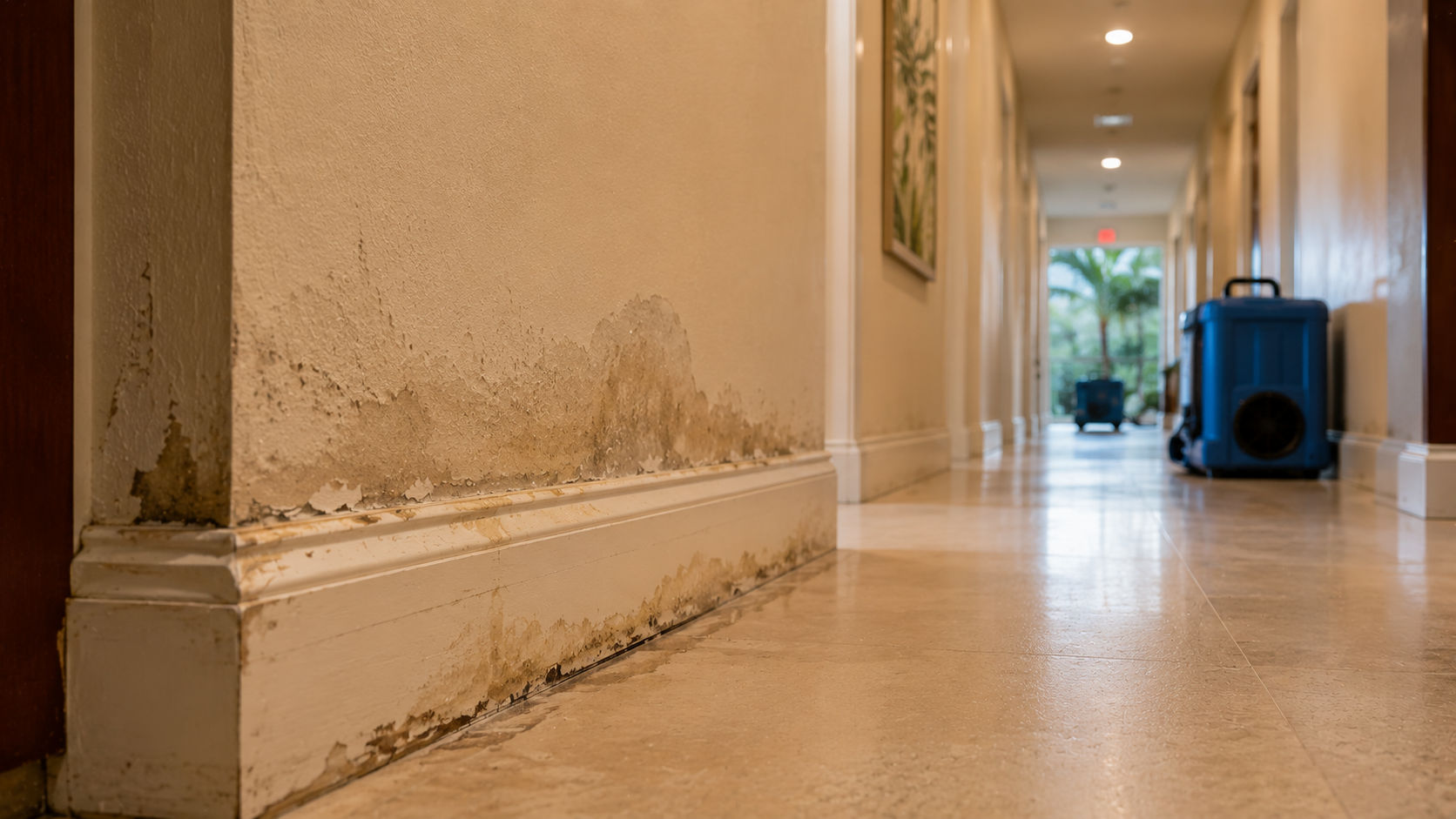
The first is the materials decision. Drywall, carpet, padding, insulation, and engineered wood flooring that took on water have to be assessed individually. Category 1 water caught early may allow most materials to be dried in place. Category 3 water, or any extended saturation, typically requires replacement of porous materials regardless of how dry they get, because the contaminants cannot be reliably removed from cellulose or carpet pad. The vendor’s documentation of why each piece was kept or replaced becomes part of the claim file.
The second is the displacement decision. Habitability of affected units depends on the work scope, the drying noise, the power configuration, and the presence of any active hazard. Florida Statute 83.51 sets the baseline habitability requirements, and managers who are unsure whether a unit meets the standard during active drying should err on the side of temporary relocation rather than risk a habitability claim later. Document the relocation offer, the tenant’s acceptance or refusal, and the temporary housing arrangements in the file.
The third is the mold management decision. Mold colonization on wet drywall and porous materials begins within forty-eight to seventy-two hours in South Florida conditions. The vendor will be monitoring moisture content of the substrate; the manager needs to be aligned with the vendor on the threshold at which the project converts from straight mitigation into mold remediation, what that does to the budget, and what the insurance carrier expects to see in the documentation. Fast professional water damage restoration in this window is the single biggest factor in keeping the project from escalating into a mold project.
Insurance, Liability, and the Master Policy Question
Water losses in multifamily buildings sit at an intersection of master policy coverage, unit-owner HO6 policies, and personal property claims. The general pattern: the master policy covers the building structure and common elements; the unit owner’s HO6 policy covers interior improvements and personal property within the unit; tenants’ renter’s policies cover their personal property. Reality is more complicated. The master policy may include coverage for built-in improvements (bare walls vs. all-in coverage varies by community), and the carrier’s interpretation depends on the documents.
The manager’s role is to coordinate, not to adjudicate. Provide the affected parties with the master policy declarations, the claim number, and the adjuster’s contact. Do not promise coverage outcomes; that is the carriers’ decision and the carriers’ attorneys’ decision in the event of dispute. Document every conversation and every decision in writing. The same documentation discipline that protects the building owner protects the management company against later professional liability exposure.
For property managers across Palm Beach County, the time to vet a restoration vendor and establish a master service agreement is before a loss happens, not during one. The first call at hour zero should reach a known partner who already understands the building, the access protocols, and the insurance program. Contact the restoration team to discuss vendor pre-qualification, response time commitments, and the documentation standards your portfolio expects.
What a Strong First 72-Hour Response Looks Like
A clean response leaves a paper trail that an adjuster, a building attorney, and a tenant attorney could each review and arrive at the same set of facts. The source was identified and stopped. The damage was photographed before mitigation began. Categorization was performed by a certified technician within twenty-four hours. Containment, drying equipment, and air filtration were deployed on schedule. Affected tenants received written notice within the first twelve hours and a clear update within the first forty-eight. Displacement decisions were made on documented habitability criteria. The materials decision tree was applied consistently to each unit. The mold-monitoring threshold was tracked and escalation was triggered before visible growth appeared.
Buildings that document their response at this level recover faster, settle insurance claims more cleanly, and avoid the long tail of tenant disputes that plague managers who try to handle losses ad hoc. The seventy-two-hour window is short, and the volume of decisions is high, but the playbook is repeatable. Buildings that run it cleanly the first time develop muscle memory that makes the second event easier, and the third nearly routine.
Frequently Asked Questions
What is the first call a property manager should make after a water loss?
Two simultaneous calls. The first is to a certified restoration vendor to mobilize for source containment, water extraction, and category assessment. The second is to the master insurance carrier to open a claim and confirm carrier notification requirements were met. Both calls happen within the first hour.
How quickly does mold start growing after water damage in South Florida buildings?
Visible mold colonization on wet drywall and porous materials typically begins within forty-eight to seventy-two hours at South Florida temperatures and humidity. This is why the seventy-two-hour drying window is so important in multifamily settings, and why mold monitoring is part of the mitigation protocol from day one.
Who pays for tenant relocation during restoration in a Palm Beach multifamily building?
It depends on the lease, the building’s master policy, the unit owner’s HO6 policy if applicable, and the cause of the loss. Many master policies include limited loss-of-use coverage for affected tenants. The manager’s job is to facilitate the relocation, document the offer and response, and provide the affected parties with the information needed to pursue their own claims.
What is the difference between mitigation and remediation in a multifamily water loss?
Mitigation is the immediate work to stop the source, extract the water, and dry the materials. Remediation is the work that follows when materials cannot be saved or when mold has colonized and has to be removed under contained conditions. The seventy-two-hour drying window is what often determines whether a project stays at mitigation scope or escalates to remediation scope.
How should we document a multifamily water loss for the insurance claim?
Photos and video of the source, the path, and the affected units before any cleanup begins; the vendor’s category assessment and moisture readings; the equipment placement and run-time logs; the tenant communications and any displacement records; daily progress notes; and the final dry-down readings. Centralize everything in a single claim file from hour one.
Can a property manager handle a small water loss without a restoration vendor?
For very minor incidents (a small leak caught immediately, no porous materials affected, no shared walls), in-house response with a wet vacuum and fans may be sufficient. For anything that crosses a unit boundary, soaks drywall or carpet, or involves Category 2 or 3 water, professional response is the standard expectation. The cost gap between a small early intervention and a large late intervention almost always favors calling the vendor early.”}}]}