TL;DR: Aspergillus and Penicillium are common household molds; Stachybotrys is the slow-growing black mold tied to chronic moisture. The species guides remediation scope, health risk, and cost.
Mold identification tells a fuller story than color ever could. When a lab report comes back naming Stachybotrys, Aspergillus, or Penicillium, each one points to a different moisture history, a different health profile, and a different remediation scope. Homeowners across South Florida see all three regularly, because our humidity, summer storms, and constant air conditioning give mold exactly what it wants. Knowing which species you are dealing with will not change the fact that it needs to come out, but it does shape how carefully the work has to be contained, how urgent the health concerns are, and how much the project is likely to cost.
Why the species matters, and where it does not
Here is the honest nuance up front. For basic cleanup, the type of mold does not change the goal. The CDC’s overview of mold and health notes that you do not need to know the type of mold to know it should be removed, and that if you can see or smell it, the fix is the same: clean it up and correct the moisture. So if you are wondering whether to pay for lab testing before wiping down a small patch on a bathroom ceiling, the answer is usually no.
Species identification earns its keep on larger or disputed jobs. A lab result tells a trained technician how aggressive the colonization likely is, what level of containment protects the rest of the house, whether occupants with health sensitivities need extra caution, and what documentation an insurer or a future buyer may want to see. Put simply, the type does not decide whether to remove the mold; it helps decide how to remove it safely and how to prove it was done right. That distinction is where professional mold removal separates itself from a quick surface wipe.
Aspergillus and Penicillium: the everyday indoor molds
Aspergillus and Penicillium are two of the most common molds found inside homes, and in South Florida they turn up almost anywhere moisture lingers. The CDC lists Cladosporium, Penicillium, and Aspergillus as the most common indoor molds. You will find them on damp drywall, around leaky windows, inside air-conditioning systems that stay wet, and on stored items in humid closets. They tend to grow fast and spread as fine, powdery colonies in shades of green, blue-green, gray, or yellow.
Because they are so common, their presence usually signals an ongoing moisture problem rather than a catastrophe. Both can still affect health, though. Aspergillus in particular can cause respiratory infections in people with weakened immune systems or chronic lung conditions, which is why even a common mold deserves respect in a home with vulnerable occupants. The practical takeaway is that Aspergillus and Penicillium are treatable and routine, and they are also a reliable signal to find and fix whatever water source is feeding them.
Stachybotrys chartarum: the one people mean by “black mold”
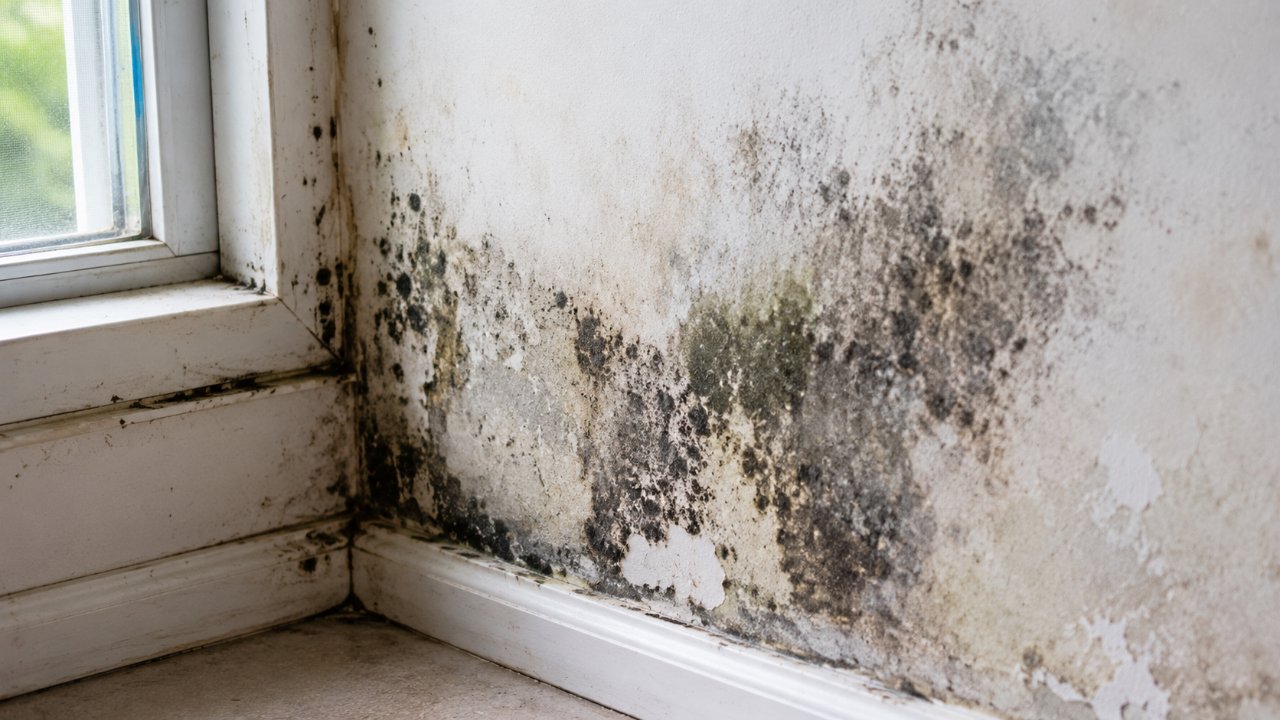
When someone says black mold, they are almost always picturing Stachybotrys chartarum. It is a greenish-black, often slimy mold that grows on cellulose-rich materials like drywall, wood, and cardboard, and it needs sustained moisture to take hold. Unlike the fast-spreading household molds, Stachybotrys is a slower colonizer that usually indicates a long-running or repeated water problem: a slow roof leak, a plumbing drip inside a wall, or flooding that never fully dried.
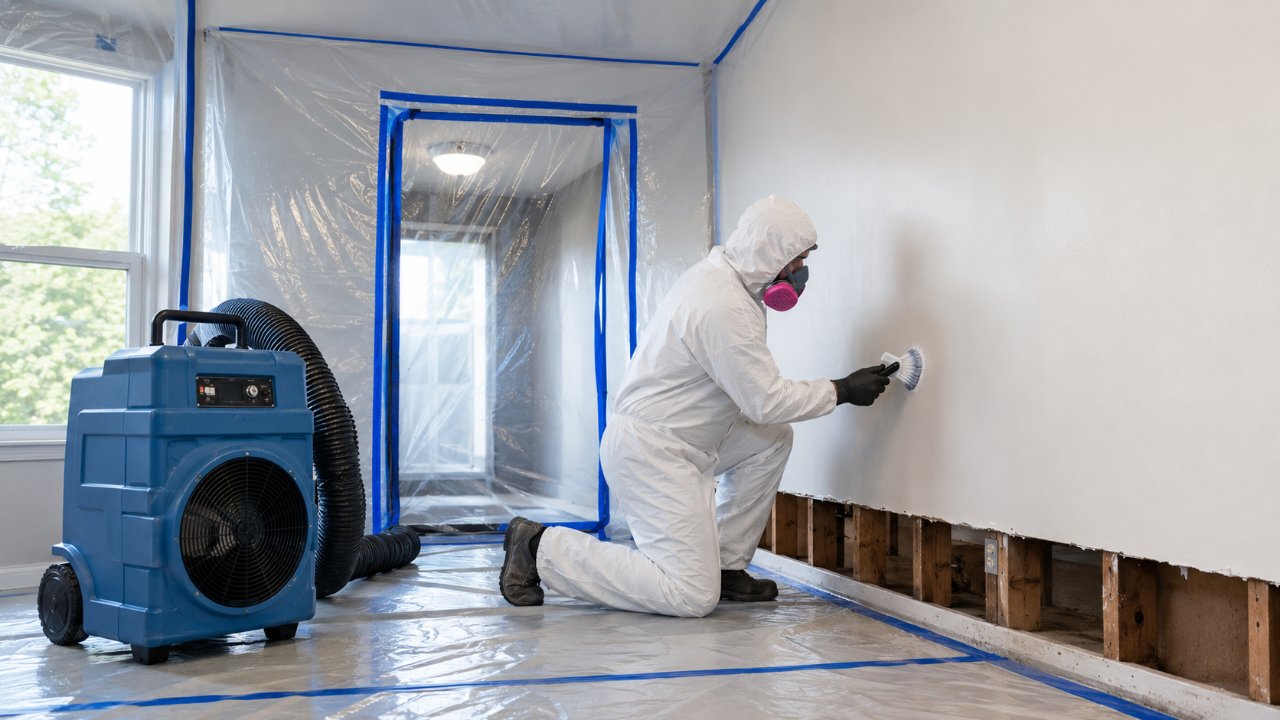
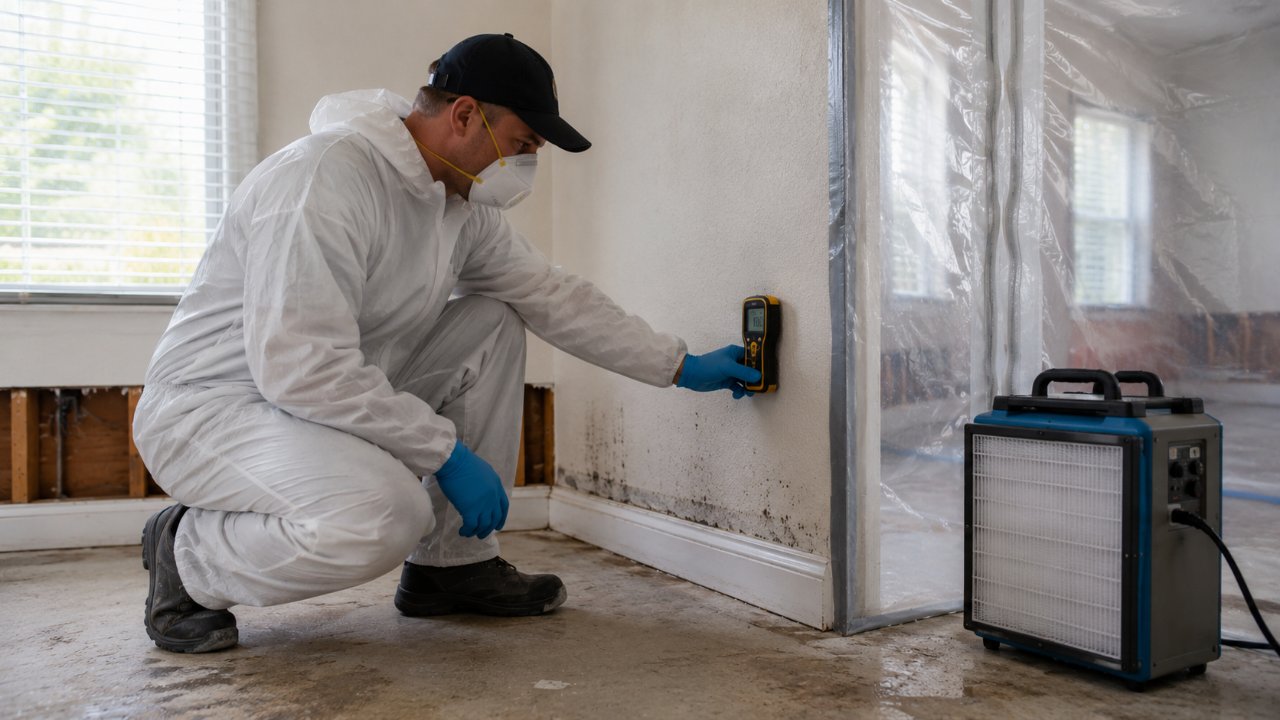
That growth pattern is exactly why finding Stachybotrys changes the conversation. It rarely appears from a one-time spill; it appears where water has been present for weeks or longer, which often means the damage extends into materials you cannot see. Remediation typically calls for stricter containment, negative air pressure, and careful removal of affected porous materials rather than surface cleaning. If a lab flags Stachybotrys in your home, it is worth bringing in our restoration team to trace the moisture source, because the visible patch is often the smaller half of the problem.
Other names you may see on a lab report
Lab reports rarely stop at three names. Cladosporium is another extremely common mold, often olive-green to brown, that grows on both damp and dry surfaces and is a frequent allergy trigger. Chaetomium shows up in water-damaged drywall and carries a distinct musty odor, usually pointing to chronic moisture much like Stachybotrys. Alternaria tends to appear in damp bathrooms and around windows. Seeing several species on one report is normal; South Florida homes usually host a mix, and the lab’s job is to tell you which ones are present and in what concentration relative to the outdoor baseline.
What the mold type tells you about severity
Severity is really a question about moisture history, and the species is a strong clue. Fast-growing Aspergillus and Penicillium on a small area often mean a recent or localized moisture issue that can be corrected before it spreads. Stachybotrys or Chaetomium, by contrast, suggests water has been present long enough to support slow colonizers, which usually calls for a deeper investigation into wall cavities, subfloors, and insulation. Concentration matters too. A few spores are expected in any home, but counts far above the outdoor baseline point to an active indoor source that needs attention.
What it tells you about health risk
Health risk depends more on the person than on the label, which is an important point to keep in perspective. As the CDC explains, exposure to damp and moldy environments may cause effects ranging from none at all to a stuffy nose, sore throat, coughing, wheezing, burning eyes, or a skin rash, and people with asthma or mold allergies can react more strongly. Immune-compromised individuals and those with chronic lung disease face the highest risk, including the possibility of lung infections. Species factors in because some molds, such as Aspergillus, are more associated with infection in vulnerable people, but for most households the presence of any significant mold growth, regardless of type, is the signal to act.
What it tells you about remediation cost
Cost tracks closely with containment and the extent of hidden damage, both of which the species helps predict. A localized patch of common mold on a non-porous surface is often a modest, quick job. A confirmed Stachybotrys colony behind long-wet drywall is a larger project, because it typically requires containment barriers, negative air machines, removal and replacement of porous materials, and post-remediation clearance testing to verify the work. The mold type does not set a price by itself, but it reliably signals which category a project falls into, which is why an accurate lab identification early on helps you plan realistically instead of discovering the true scope midway through.
Why South Florida feeds all of them
Our climate is a near-perfect mold incubator, and that shapes how often local homeowners meet each of these species. Year-round warmth, high outdoor humidity, frequent summer downpours, and homes that run air conditioning constantly all create the damp, cool surfaces where mold thrives. Condensation on ductwork, sweating windows, and slow leaks that stay hidden in the wall give both the fast household molds and the slower moisture-loving species a steady foothold. Keeping indoor humidity at or below 50 percent, fixing leaks quickly, and drying any flooding within 24 to 48 hours are the same defenses that work against every name on the list. When growth has already taken hold, a professional assessment and, if warranted, lab identification will point the remediation in the right direction. To get a clear read on what is in your home and what it will take to resolve it, schedule a free assessment with a local technician.
Frequently Asked Questions
Is black mold more dangerous than other types of mold?
Stachybotrys, the mold most people call black mold, is not automatically more toxic than other molds, but it usually signals long-term water damage and often hidden damage inside the structure. The CDC notes that all mold should be removed regardless of type. The bigger concern with Stachybotrys is what its presence reveals about moisture, not a unique poison.
Do I need lab testing to identify the mold in my home?
For a small visible patch, no. The CDC says you do not need to know the type before removing it. Lab testing becomes useful on larger jobs, disputed insurance claims, homes with health-sensitive occupants, or when you need to verify that remediation worked. In those cases, species and concentration data guide the containment level and documentation.
Which molds are most common in South Florida homes?
Aspergillus, Penicillium, and Cladosporium are among the most common indoor molds here, driven by high humidity and frequent rain. Stachybotrys and Chaetomium appear where moisture has lingered for weeks, such as behind a slow leak. Most local homes show a mix of species rather than a single type.
Can I remove mold myself, or should I call a professional?
A small area of common mold on a hard, non-porous surface can often be cleaned by a homeowner following safe practices. Larger areas, porous materials like drywall, confirmed Stachybotrys, or any situation involving health-sensitive occupants call for professional remediation with proper containment and clearance testing to avoid spreading spores through the home.
Does the type of mold affect what insurance will cover?
Coverage depends on your policy and the cause of the moisture, not the mold species by itself. That said, accurate identification and documentation help support a claim by showing the extent and likely duration of the problem. Review your policy or ask your agent about mold provisions, since carriers handle mold coverage differently and no contractor can promise an outcome.
How fast can these molds grow after water damage?
Common molds like Aspergillus and Penicillium can begin growing on wet materials within 24 to 48 hours, which is why fast drying matters so much in our climate. Slower species like Stachybotrys take longer and usually indicate moisture that has been present for weeks, often out of sight.